What to Do When a Job Is Bigger Than You Quoted
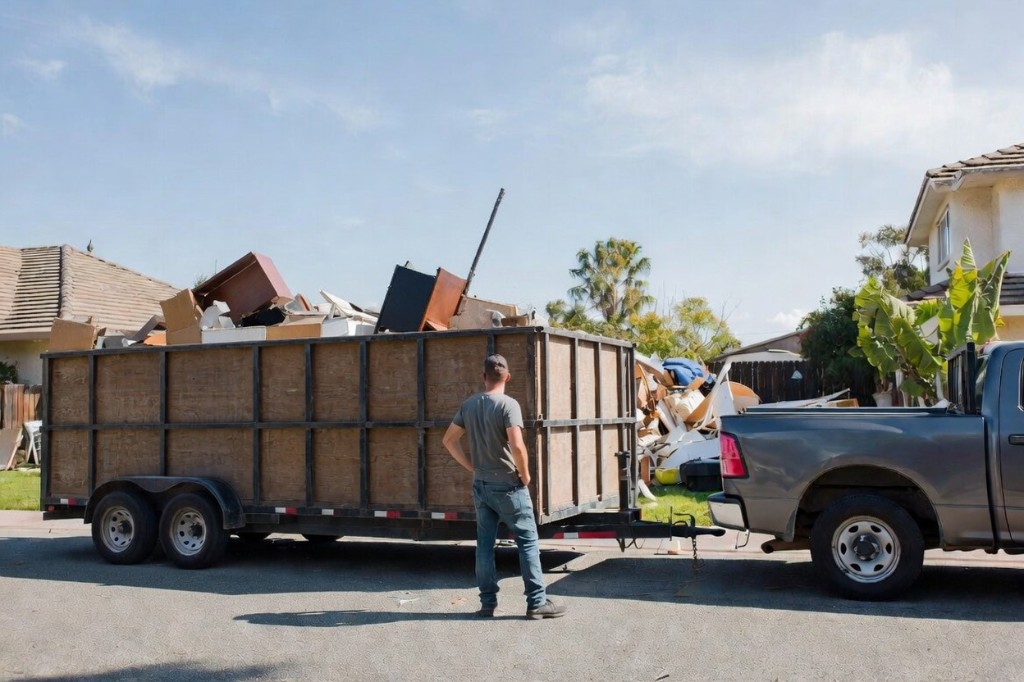
You quoted the job over the phone. The customer said the garage was “about half full.” You show up, and it’s packed to the ceiling, with a second pile out back they forgot to mention. The quote you sent, the bid the customer already agreed to, no longer matches the job in front of you.
If you quote without a site visit, this will happen. It isn’t a sign you underbid the job or got your pricing wrong. It’s a normal part of quoting fast from a photo or a description, and quoting fast is one of the biggest advantages you have. The contractors who win these jobs are the ones who send a professional quote before anyone else does. The tradeoff is that sometimes the job on the ground doesn’t match the job you were told about.
What separates the pros from everyone else isn’t avoiding scope surprises. It’s how they handle them when they happen.
Why this happens (and why it’s fine)
For smaller service jobs, driving to every site to measure before quoting is slow and expensive. The whole point of quoting from a description is speed: you lock down an eager customer while they’re still ready to say yes. A homeowner with a problem wants it solved, and the faster you can put a real number in front of them, the more likely they hire you instead of waiting on three other quotes.
The cost of that speed is the occasional gap between what you were told and what you find. Accept it as part of the model and build a process for it, rather than treating each surprise as a crisis.
Different trades call this a quote, a bid, or an estimate, and those words aren’t quite interchangeable, as we cover in Quote vs. Estimate vs. Proposal. Whatever you call it, the scope-surprise problem and the fix are the same.
The wrong move: quietly padding the invoice
When you realize you’ve underbid the work, the tempting shortcut is to just do the bigger job and quietly add the difference to the final invoice. Don’t.
When a customer gets an invoice that’s higher than the quote they agreed to, you’ve created a dispute. They feel ambushed, even if your number is completely fair. Best case, you have an awkward conversation and maybe eat some of the cost. Worst case, they refuse to pay the difference, leave a bad review, and tell their neighbors. You did more work and damaged the relationship at the same time.
The problem isn’t the price. It’s that you changed the deal without their agreement.
The right move: a change order before you continue
A change order is a simple, documented update to the agreed scope and price, approved before the extra work happens. It turns a potential dispute into a routine business step.
When you arrive and the job is bigger than quoted, the move is:
- Stop before doing the extra work. Don’t get halfway through and then mention it.
- Show the customer what’s different. “The quote covered a half garage. It’s actually full, plus the pile out back. Here’s the updated price for all of it.”
- Send a change order and get it signed. Same as the original quote, just reflecting the real scope.
- Then do the work, knowing you’re covered.
This protects both sides. The customer knows exactly what they’re agreeing to and isn’t surprised later. You have documented authorization for the work and the price, so getting paid is never in question. A signed change order is the difference between “we agreed to this” and “that’s not what you told me.”
If you’re already sending quotes with digital signatures, a change order works exactly the same way, and it’s just as binding.
How to have the conversation without it being awkward
A lot of contractors dread this moment, so they avoid it and pay for it later. It’s easier than you think when you frame it right.
You’re not admitting a mistake. You’re pointing out that the job is different from what was described, which is the customer’s information, not your error. Keep it factual and matter of fact:
Good news, this is totally doable today. It’s a bit more than the half garage we talked about, so here’s the updated number for the full space. I’ll send it over to sign and then get started.
Most customers expect this. They know they gave you a rough description. What they want is for the job done, and you’re the person standing in their driveway ready to do it. The professionalism of handling it cleanly often makes them trust you more, not less.
Set the expectation in the original quote
The smoothest change order is the one the customer already saw coming. When you send the original quote, make it clear that the price is based on the information provided and that scope changes are handled with a change order.
A short note on the quote does the work for you:
“This quote is based on the details provided. If the job is larger or different on arrival, we’ll send an updated quote for your approval before starting.”
Now the conversation on-site isn’t a surprise. It’s something you already told them about. This is one more reason templates are worth setting up: you write that line once, and every quote you send carries the protection automatically. Getting these habits in place early is part of setting up your business the right way from day one.
The bottom line
Quoting fast wins jobs, and quoting fast means scope surprises now and then. Don’t let that push you back toward slow site visits, and don’t paper over it by padding the final invoice. Handle it with a signed change order before the extra work happens, and you protect the relationship and your payment at the same time.
QuoteMe makes this the easy path: build quotes from templates with your scope-change terms already baked in, and when a job turns out bigger than expected, send a change order and collect a signature right from the job site before you pick up a tool.
Related articles
How to Set Up Your Contracting Business the Right Way From Day One
The habits you build early in your contracting business are hard to change later. Here's how to get your quoting, invoicing, and customer process right before it becomes a problem.
Your Customer Base Is an Asset: Why Contractors Should Track Every Customer
A contracting business without documented customers isn't really a sellable asset. Here's why your customer list is worth more than you think, and how to build it.
Quote vs. Estimate vs. Proposal: What's the Difference for Contractors?
Contractors use quote, estimate, and proposal interchangeably, but they mean different things to customers. Here's when to use each one.